
Yellowstone National Park is a dream destination for photographers—whether you’re after erupting geysers, morning alpenglow on the mountains, or wildlife shots without the crowds. But to capture Yellowstone at its best, timing matters just as much as location. The right light can turn a familiar viewpoint into something magical, while poor timing can leave you battling harsh glare or thick crowds.
This guide breaks down the best photography spots in Yellowstone, and—most importantly—the ideal time of day to shoot each location so you can avoid harsh light, long shadows, and shoulder-to-shoulder visitors.
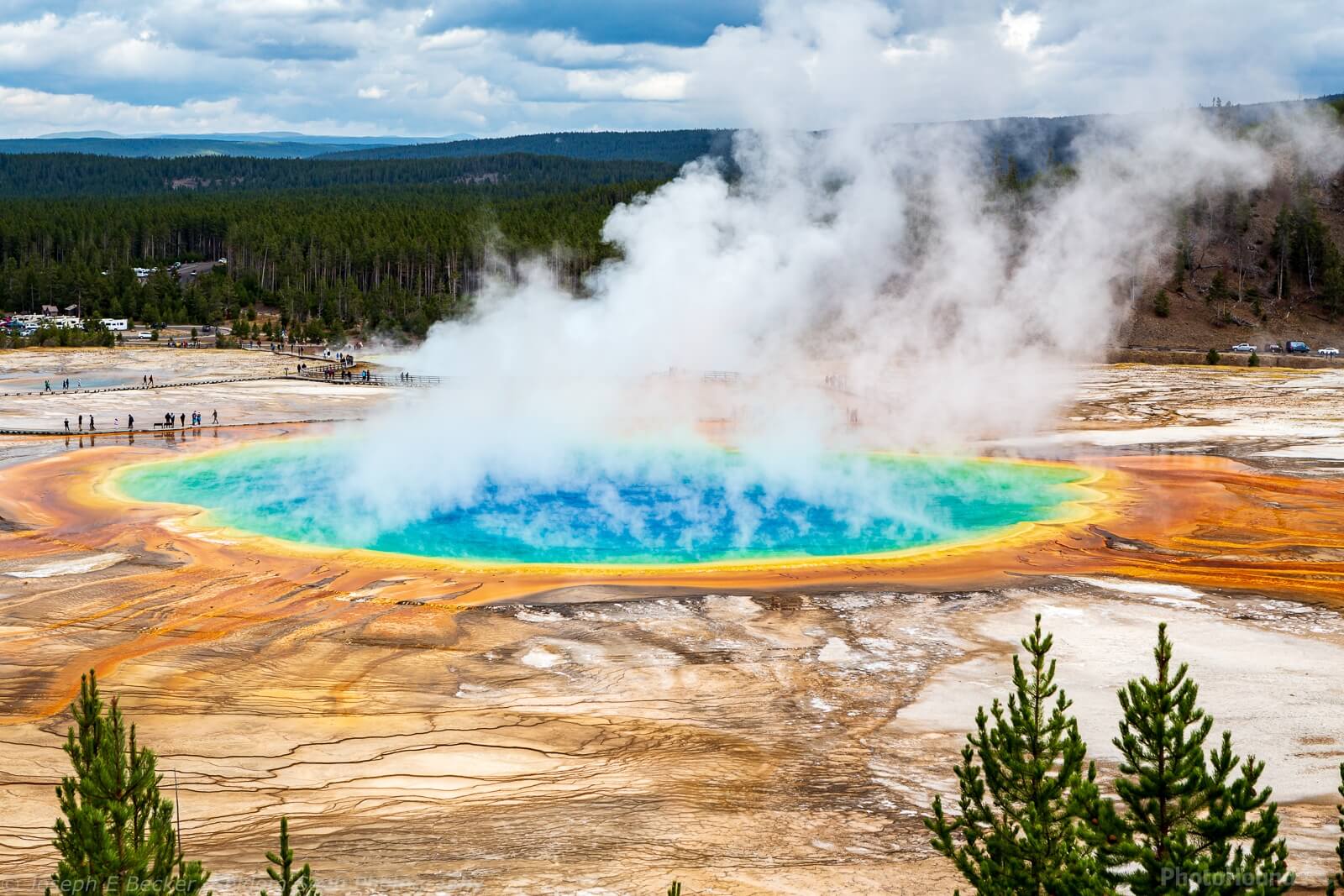
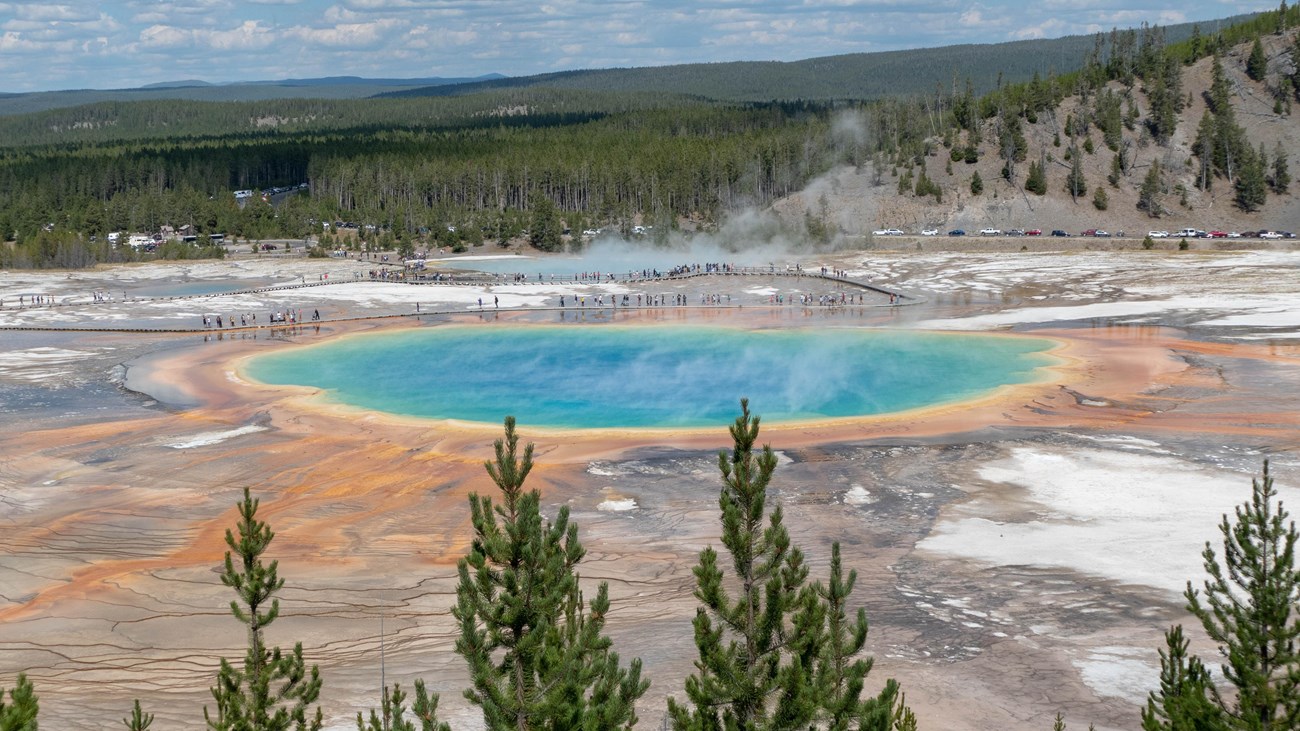
1. Grand Prismatic Spring Overlook – Best at Late Morning to Midday
If you want Yellowstone’s most surreal, rainbow-colored hot spring to look as vivid as the photos in guidebooks, timing is key. The Grand Prismatic Spring Overlook is breathtaking, but in early mornings it’s often covered by thick steam.
Why This Time?
— Sun overhead = deeper colors
— Less steam → clearer view
— Blue, orange, and yellow rings become more pronounced
Photography Tips:
Bring a polarizer to reduce glare off the water.
Avoid sunrise if you want maximum clarity; steam is highest when it’s cold.
For drone-like angles, hike the short 1.2-mile Fairy Falls Trail to the ridge overlook.
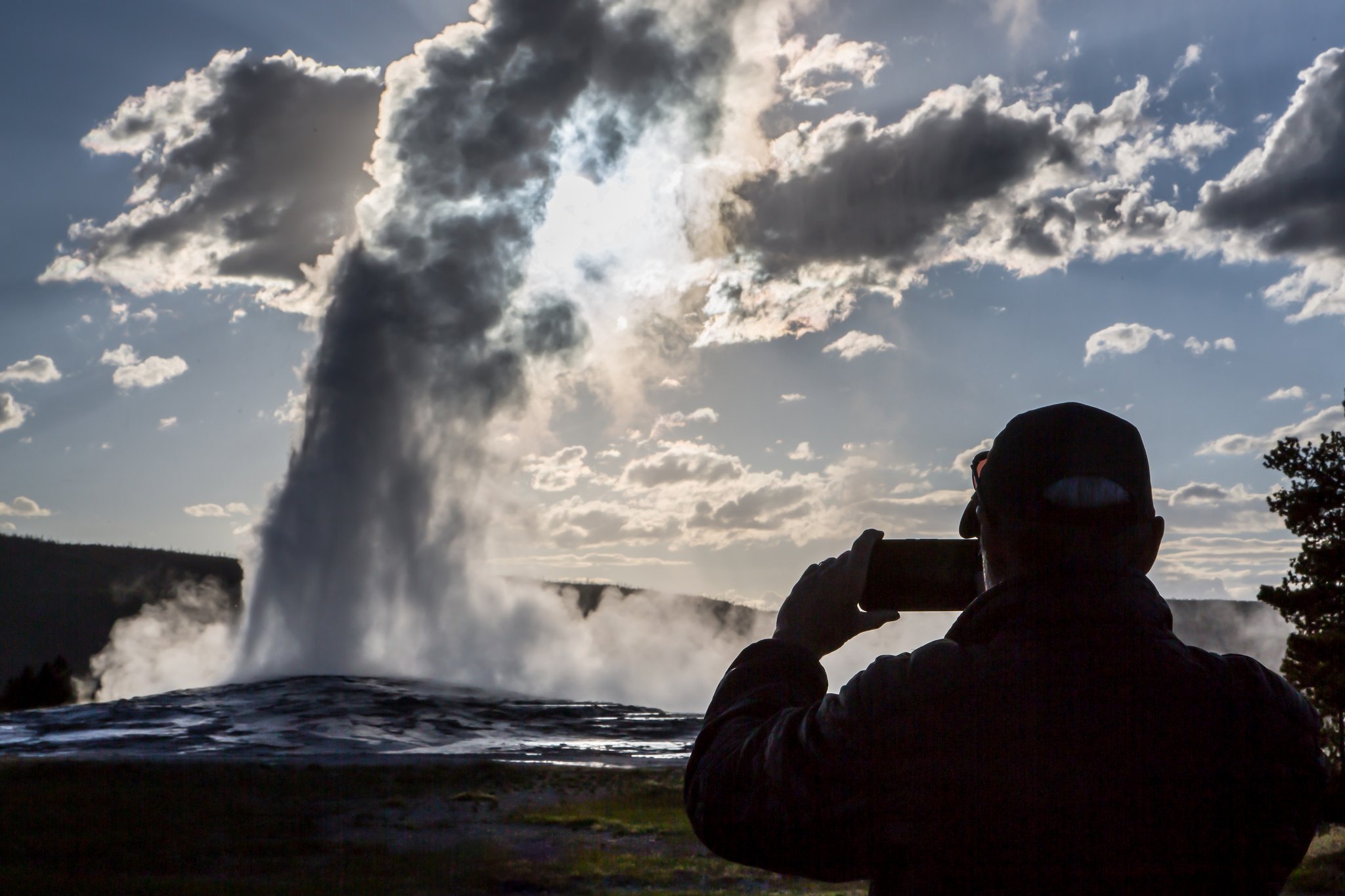
2. Old Faithful Geyser – Best at Sunrise or Sunset
Old Faithful isn’t just about the eruption; it’s about the atmosphere. Golden-hour light turns the steam plume into glowing, translucent columns.
Best Time for Photography:
— Sunrise: Soft pastels, misty air, and minimal crowds
— Sunset: Dramatic warm glow illuminating the geyser plume
Photography Tips:
Position yourself upwind so steam doesn’t block your shot.
Capture wide-angle images to include surrounding pools and the Old Faithful Inn.
Check eruption predictions posted nearby to plan your shots.

3. Lamar Valley – Best at Dawn
Known as America’s Serengeti, Lamar Valley is your best opportunity for wildlife photography in Yellowstone—especially wolves, bison herds, coyotes, and pronghorn.
Why Dawn Is Ideal:
— Animals are most active
— Soft golden light enhances fur textures
— Fewer vehicles on the road
Photography Tips:
Bring a telephoto lens (minimum 300mm).
Stay in your vehicle or designated pullouts for safety.
Early summer mornings offer incredible mist rising off the grasslands.
4. Mammoth Hot Springs Terraces – Best at Late Afternoon
The white, orange, and gold mineral terraces of Mammoth Hot Springs are stunning any time, but late afternoon light adds depth and volume to the delicate formations.
Best Conditions:
— Low-angle sunlight = increased contrast
— Late afternoon reduces harsh midday glare
— Fewer crowds compared to the morning rush
Photography Tips:
Experiment with abstract close-ups of textures.
The boardwalk system allows varied compositions from above and below.
Overcast days also work beautifully here.
5. Hayden Valley – Best at Sunrise + Sunset
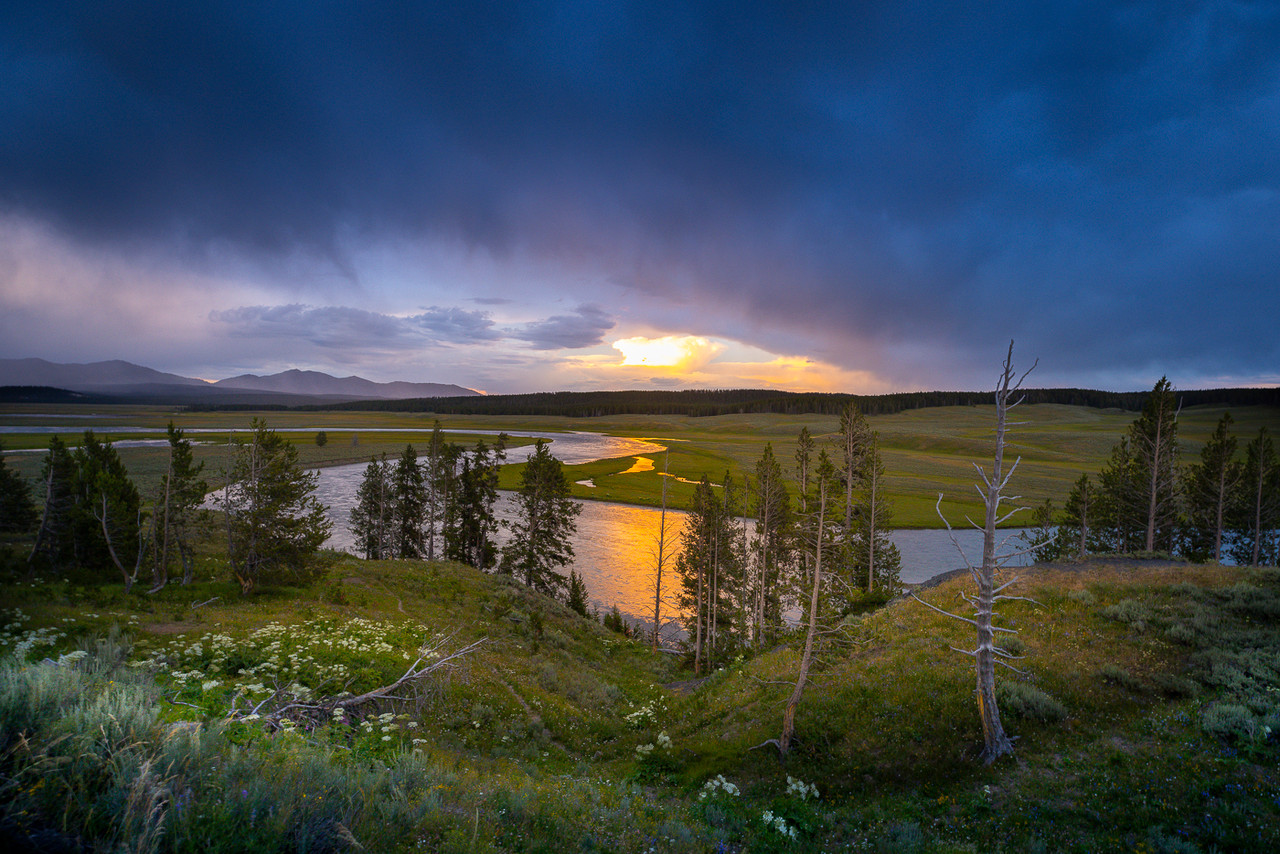
If Lamar Valley is the wildlife capital of the park, Hayden Valley is its cinematic masterpiece. The broad valley floor, winding Yellowstone River, and wildlife movement make this a top landscape and animal photography location.
Best for Sunrise:
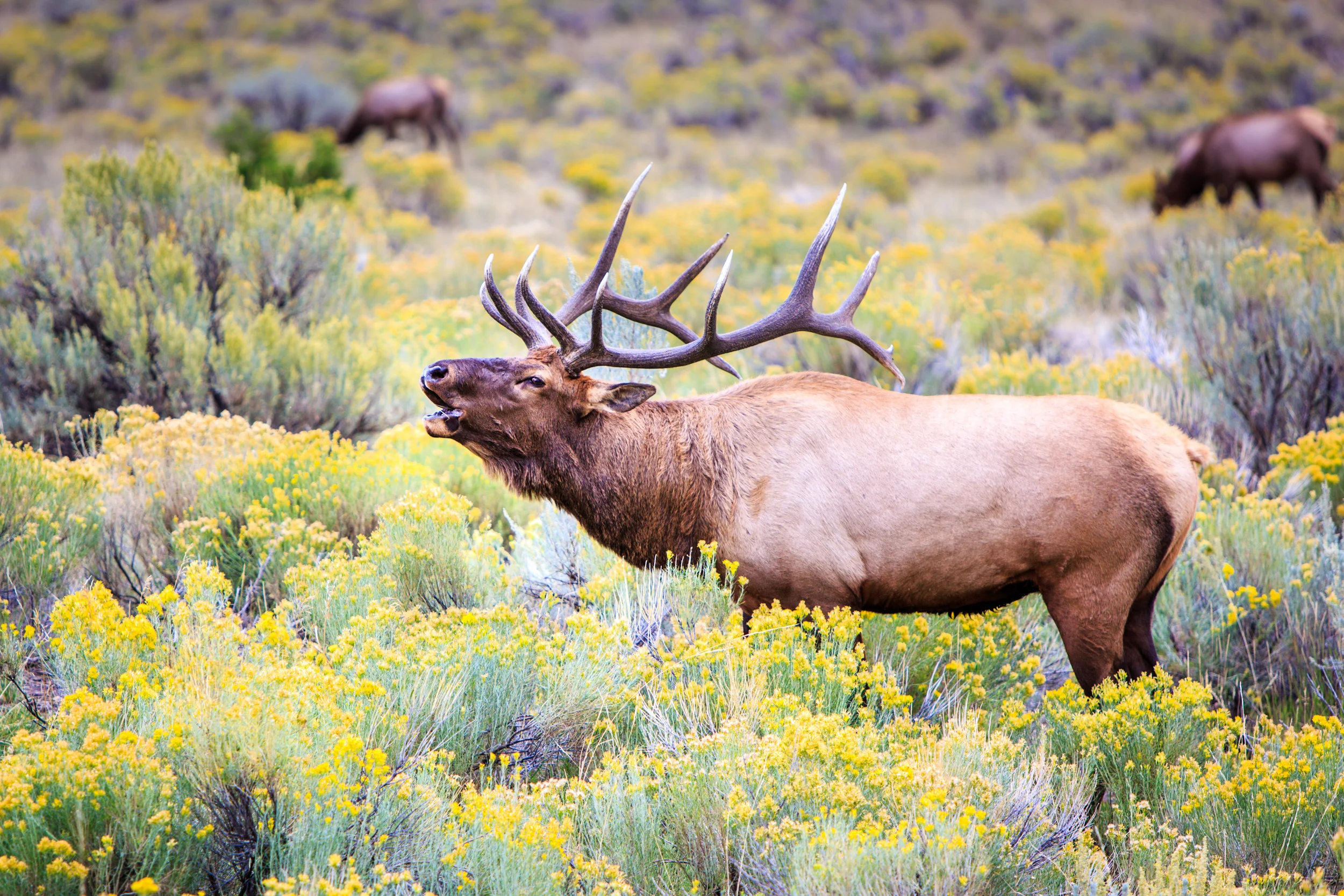
— Elk bugling in fall
— Misty blue tones reflecting off the river
— Bison herds in morning movement
Best for Sunset:
— Warm hues over the rolling hills
— Silhouettes of cranes or bison against orange skies
Photography Tips:
Carry both wide-angle and zoom lenses; you’ll want versatility.
For moody shots, come just after a thunderstorm.
Avoid midday—the valley flattens in bright light.

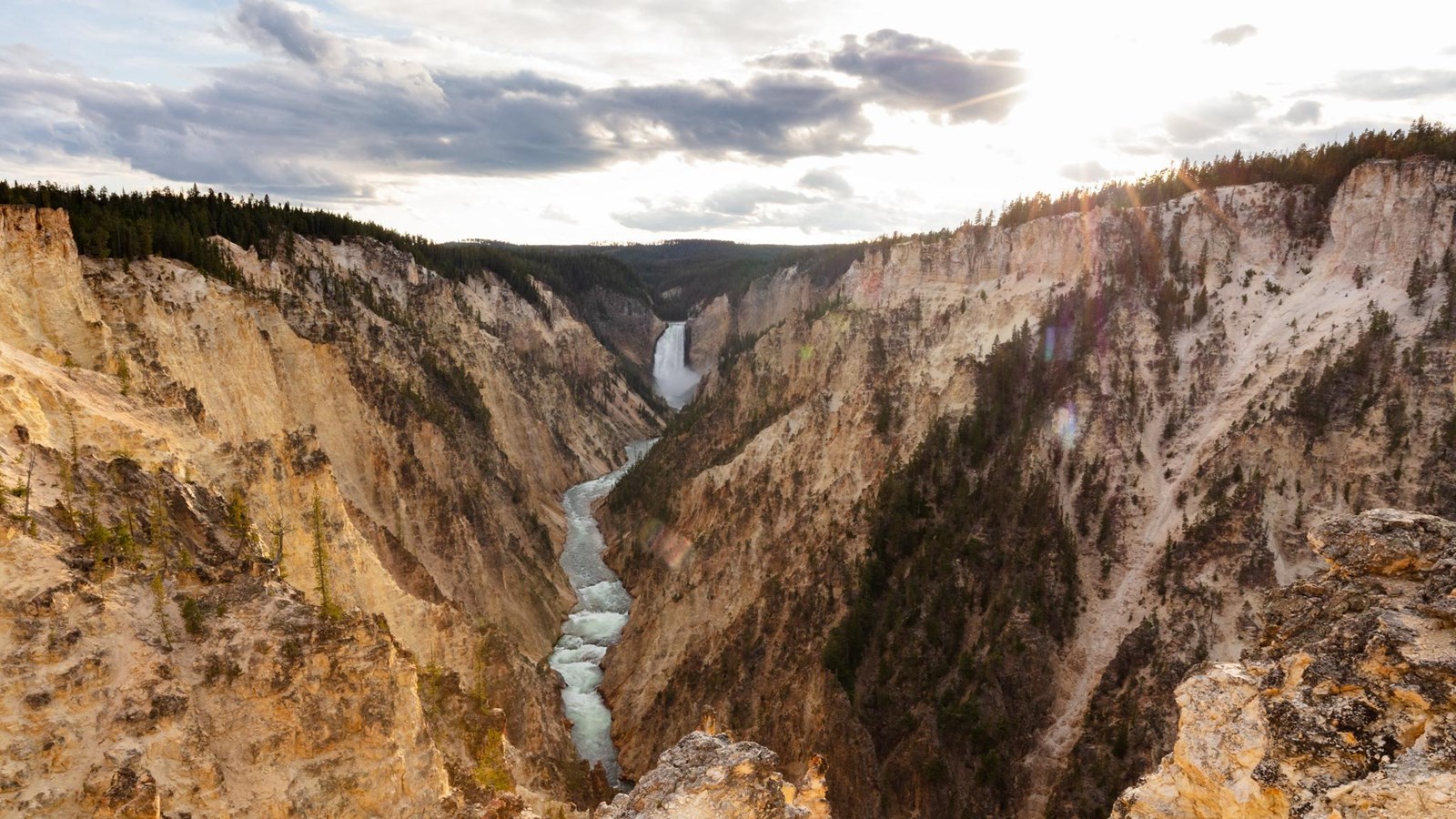
6. Artist Point (Grand Canyon of Yellowstone) – Best at Early Morning
Artist Point is one of Yellowstone's most iconic photography locations, showcasing the Lower Falls framed by golden canyon walls.
Why Morning Is Best:
— Sun illuminates the waterfall from the front
— Canyon colors glow in warm morning light
— Lower visitor numbers
Photography Tips:
Use a tripod for silky waterfall exposures.
A medium zoom (24–70mm or 24–105mm) works well here.
Consider photographing from multiple viewpoints: Lookout Point, Red Rock Point, and Uncle Tom’s Trail (if open).
7. West Thumb Geyser Basin – Best at Sunset
West Thumb is underrated, and that’s great for photographers. Its hot springs overlook Yellowstone Lake, making it one of the few basins where thermal features meet open water.
Why Sunset?
— The lake reflects fiery evening colors
— Pools turn vivid turquoise
— The boardwalk area is generally less crowded
Photography Tips:
Capture steam drifting across the water at dusk.
Use reflections creatively—especially at the Abyss Pool.
Watch for geyser bursts against sunset colors.
8. Fountain Paint Pot Area – Best at Morning
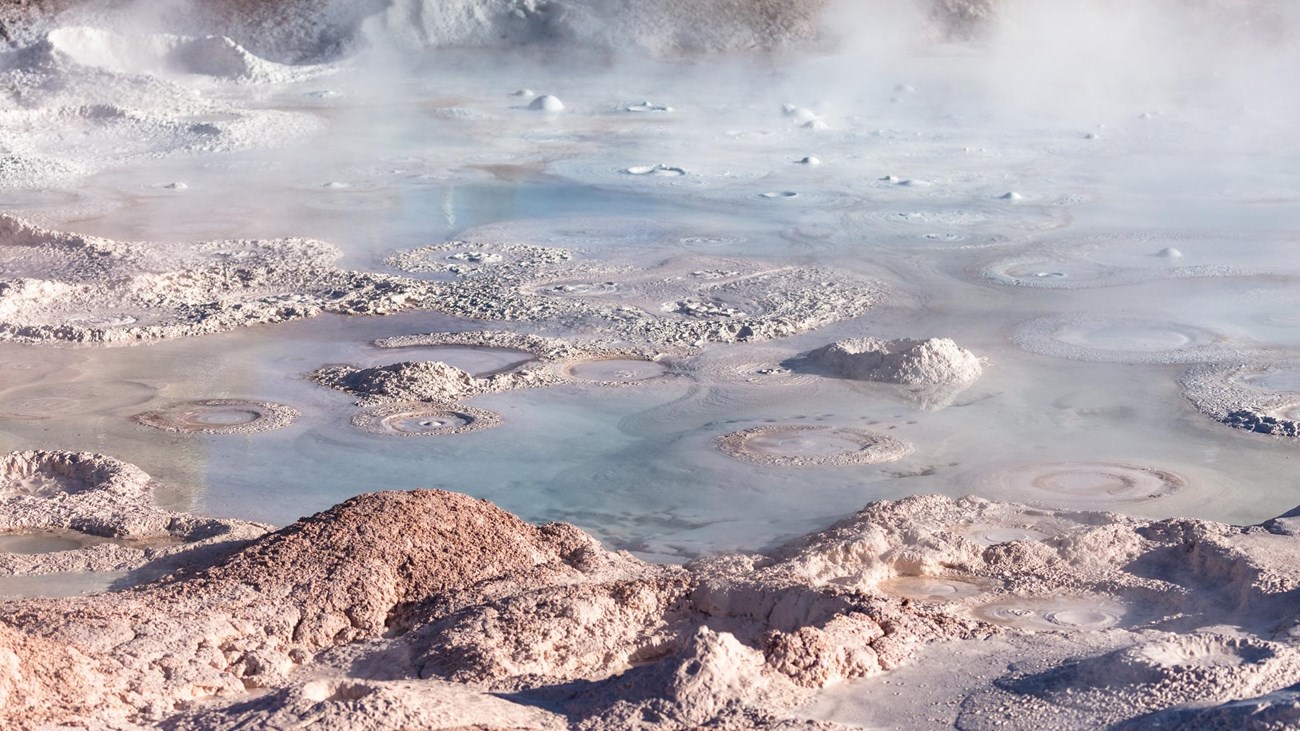
The bubbling mud pots, steaming fumaroles, and small geysers produce incredibly dynamic compositions.
Why Morning Works Best:
— Cooler air = more dramatic steam
— Side lighting defines textures
— Crowds are lighter here early in the day
Photography Tips:
Focus on patterns and textures in the mud pools.
Use fast shutter speeds to freeze splashes.
Avoid midday—harsh light washes out colors.

9. Yellowstone Lake – Best at Blue Hour + Sunrise
Yellowstone Lake, the largest high-elevation lake in North America, is ideal for peaceful, moody landscape photography.
Blue Hour (30 minutes before sunrise):
— Deep blue tones
— Still water perfect for mirror reflections
— Great for long-exposure shoreline compositions
Sunrise:
— Mountains glow with soft alpenglow
— Mist hovers above the water
— Ideal for wide panoramic shots
Photography Tips:
Bring ND filters for silky water effects.
Early fall mornings bring foggy, atmospheric scenes.
Scout the shoreline the evening before to find strong foreground elements.
How to Avoid Crowds at Popular Yellowstone Photo Spots
Even iconic spots like Grand Prismatic and Old Faithful can be crowd-free if you time it right.
General Crowd-Avoidance Tips:
✔ Visit major landmarks at sunrise whenever possible
✔ Shoot geyser basins in cold morning air for dramatic steam
✔ Explore secondary viewpoints others skip
✔ Use shoulder seasons—May and September—for fewer visitors
Crowd avoidance is not only convenient—it also helps you capture cleaner compositions and better lighting.
Photography Gear Recommendations for Yellowstone
To make the most of Yellowstone’s dynamic environment, consider bringing:
Wide-angle lens: ideal for geysers and canyon shots
Telephoto lens (300mm+): for wildlife in Lamar and Hayden Valleys
Tripod: for long exposures and stable low-light shots
Polarizing filter: essential for cutting glare on hot pools
ND filters: great for lake and waterfall motion
Final Thoughts: Getting the Best Photos in Yellowstone
Yellowstone rewards photographers who plan carefully. The same viewpoint can look ordinary at noon but breathtaking at dawn or dusk. By aligning your itinerary with the right time of day for each major landmark, you maximize natural lighting, reduce crowds, and allow space for creative compositions.
Whether you're capturing sunrise wildlife in Lamar Valley, midday colors at Grand Prismatic Spring, or golden-hour glow in West Thumb, these recommendations will help you return home with portfolio-worthy images.
