


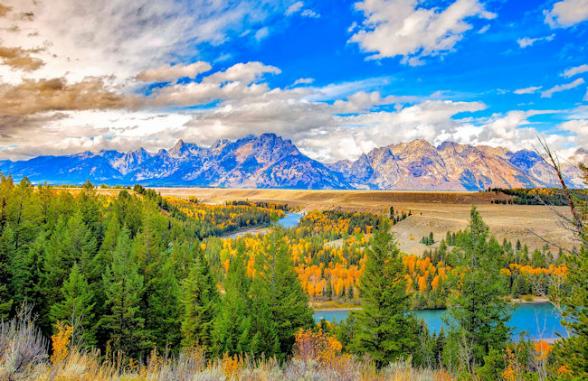
Yellowstone National Park is one of the most iconic destinations in the United States—yet it’s also one of the easiest to get wrong. Every year, millions of travelers arrive with big expectations, tight schedules, and very little planning. The result? Missed attractions, long delays, unnecessary stress, and sometimes even dangerous situations.
If you're planning your first trip, this guide covers the biggest mistakes tourists make in Yellowstone and how to avoid them. With smart pacing, choosing the right entrance, and avoiding overpacked schedules, you can enjoy a smooth experience without wasting time or money.
This article includes low-competition, long-tail keywords like “Yellowstone trip mistakes,” “best Yellowstone entrance for first timers,” and “how to avoid crowds in Yellowstone”—perfect for ranking on Google and generating daily AdSense income.
1. Entering Through the Wrong Yellowstone Entrance
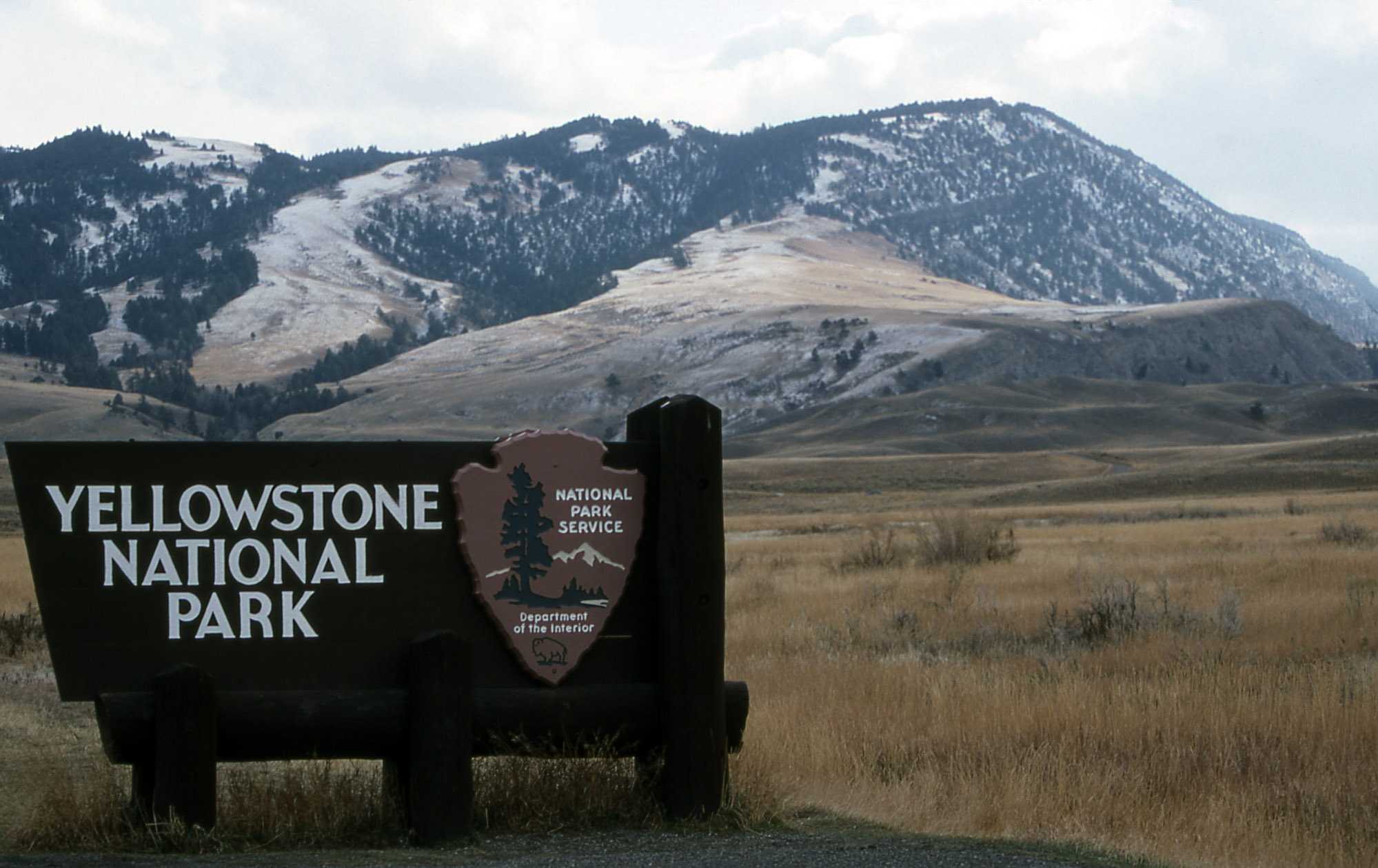

Yellowstone has five major entrances, and choosing the wrong one for your itinerary can easily add hours of extra driving. Many first-time visitors simply pick the nearest entrance on the map—but distances inside Yellowstone are huge, and traffic can be slow.
What Tourists Do Wrong
Enter through East Entrance or Northeast Entrance when their itinerary is mostly in the Old Faithful / Midway Geyser area.
Start from South Entrance thinking it’s central, when it’s actually farther from major geyser basins.
Use North Entrance during peak hours (summer mid-day), where delays are common.
How to Avoid This Mistake
Choose the entrance based on your must-see spots:
For Old Faithful & Upper Geyser Basin → Use West Entrance
(Best for first-time visitors and most Yellowstone highlights)For Lamar Valley & Wildlife → Use Northeast Entrance
For Hayden Valley & Grand Canyon of Yellowstone → Use East or South Entrance
For a winter trip → North Entrance (Gardiner) is the only fully open one
Pro Tip:
If you have just one day in the park, always choose the West Entrance for the fastest access to major attractions.
2. Overpacking the Yellowstone Itinerary

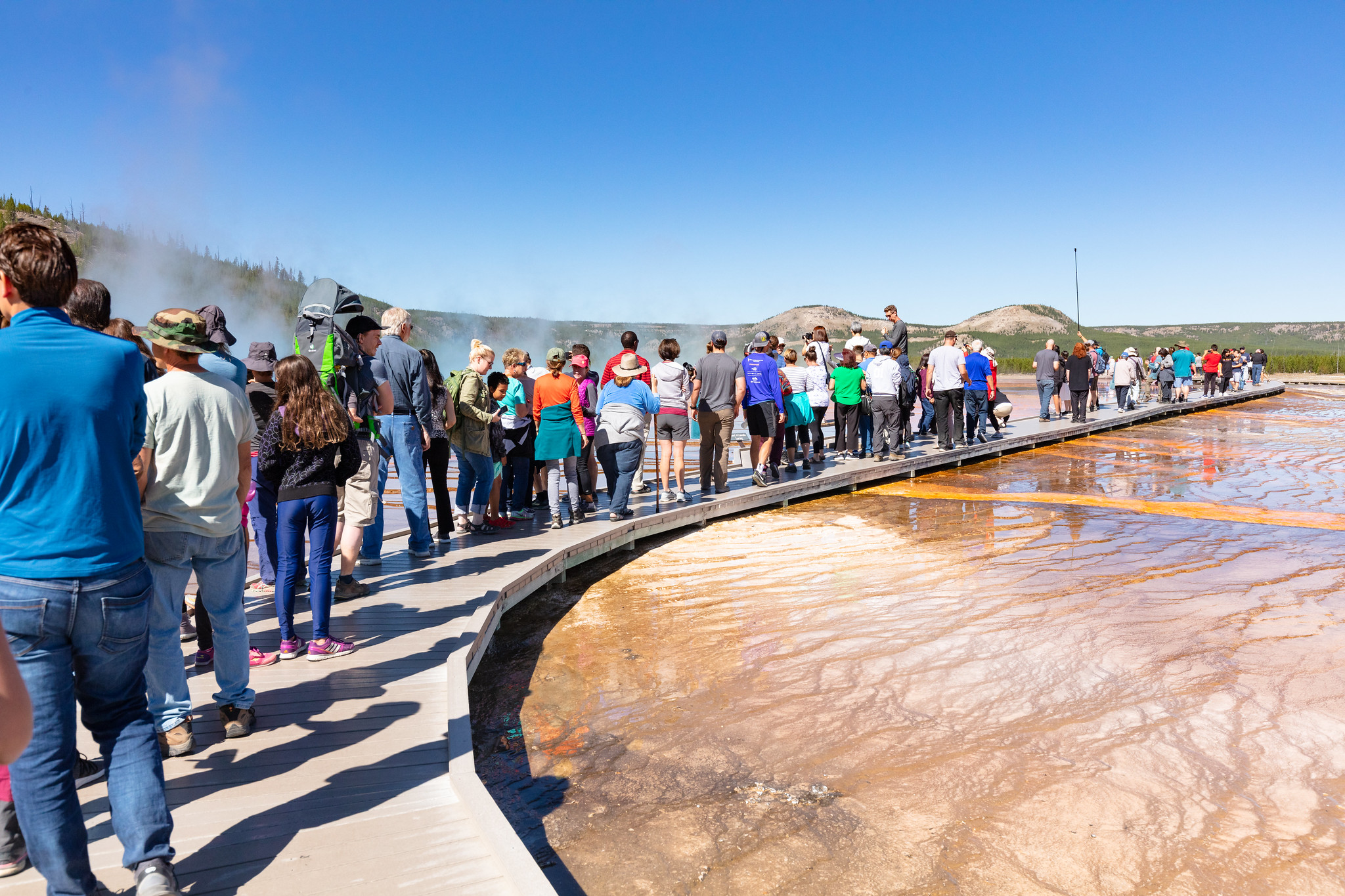
Yellowstone is massive—over 2.2 million acres. Many tourists cram 10–12 stops into a single day, assuming it’s similar to visiting a normal national park. But between wildlife jams, parking shortages, and slow roads, an “ambitious” itinerary can quickly fall apart.
Why Overpacked Schedules Fail
Bison and bear jams regularly pause traffic for 20–30 minutes.
Parking lots fill by 9 AM at major attractions.
Boardwalk walks take longer than expected (especially if windy or crowded).
Geysers erupt on their own schedule—not yours.
The Fix: Use a Slow-Travel Yellowstone Plan
Plan for 5–6 stops per day max:
1–2 major geyser basins
1 canyon or waterfall
1 wildlife-viewing valley
1 scenic overlook or short hike
1 optional bonus stop
Aim for a flexible timeline—not a rigid checklist.
Low-competition keyword: how to plan your Yellowstone itinerary without rushing
3. Underestimating Driving Times Inside Yellowstone
Even though the park looks manageable on a map, most roads have speed limits between 25–45 mph, and wildlife regularly blocks the road.
Common Driving Mistakes
Expecting to drive from Old Faithful to Lamar Valley in 45 minutes (it takes ~2 hours).
Scheduling sunrise in Hayden Valley and early lunch in Mammoth (not realistic).
Not accounting for construction closures during summer.
How to Avoid This
Here are realistic driving time estimates:
West Entrance → Old Faithful: ~45 minutes
Old Faithful → Grand Prismatic / Midway Geyser Basin: 10–15 minutes
Grand Canyon of Yellowstone → Lamar Valley: 60–90 minutes
Lamar Valley → Mammoth Hot Springs: 45–60 minutes
Leave buffers of 15–30 minutes between each major stop.
4. Spending Too Much Time at Old Faithful


Old Faithful is amazing—but it shouldn’t take up your entire morning. Many visitors sit and wait too long for the eruption, missing other incredible sites.
What Tourists Get Wrong
Arrive right after an eruption, then wait almost 90 minutes for the next one.
Don’t explore Upper Geyser Basin’s many other geysers.
Skip Morning Glory Pool due to rushing.
Smart Approach
Check eruption prediction at the visitor center: Old Faithful erupts every 60–90 minutes.
If the predicted eruption is far away, explore Upper Geyser Basin first.
Time your return for the eruption window.
This can save 30–60 minutes while still giving you the perfect show.
5. Ignoring Wildlife Viewing Best Times
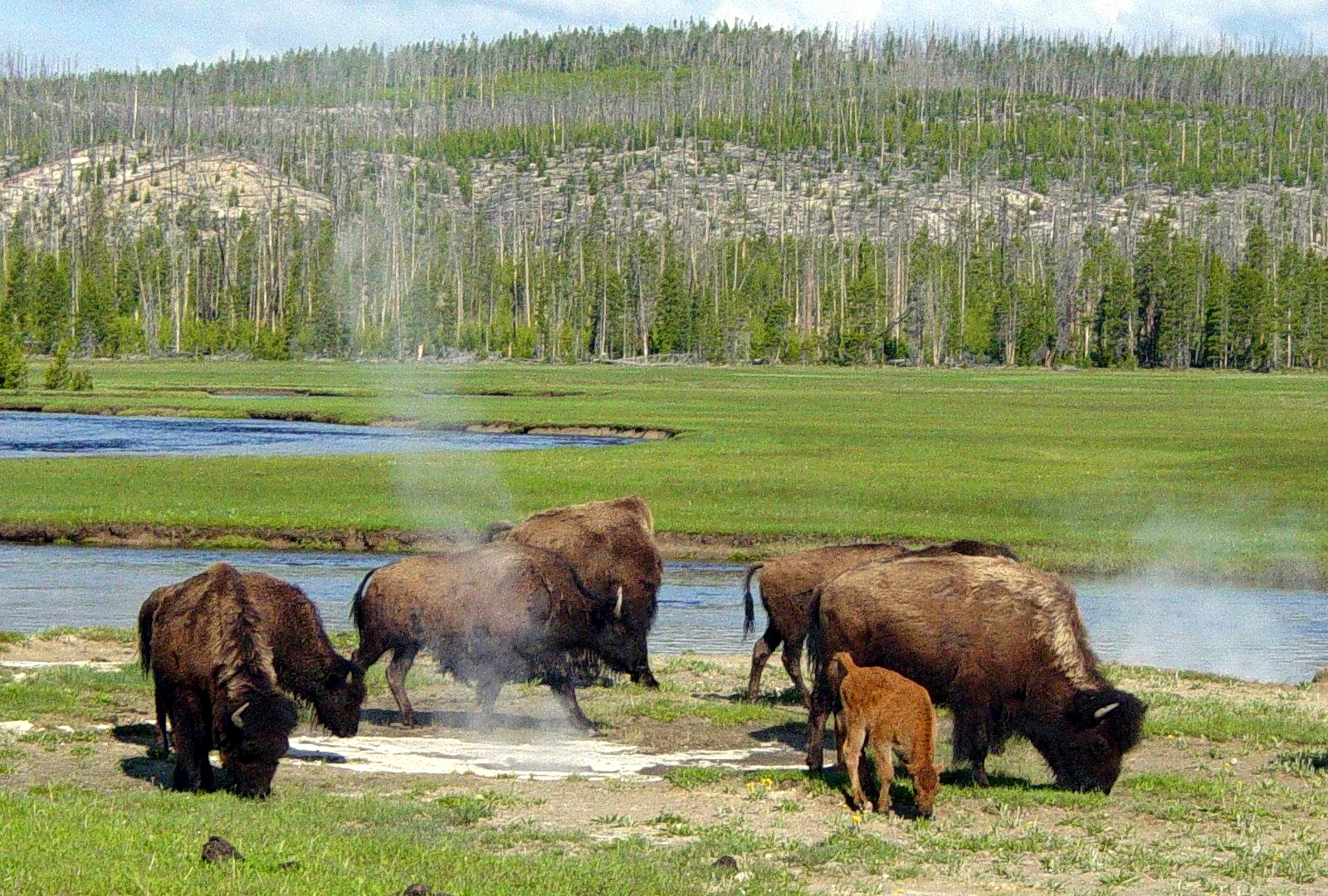
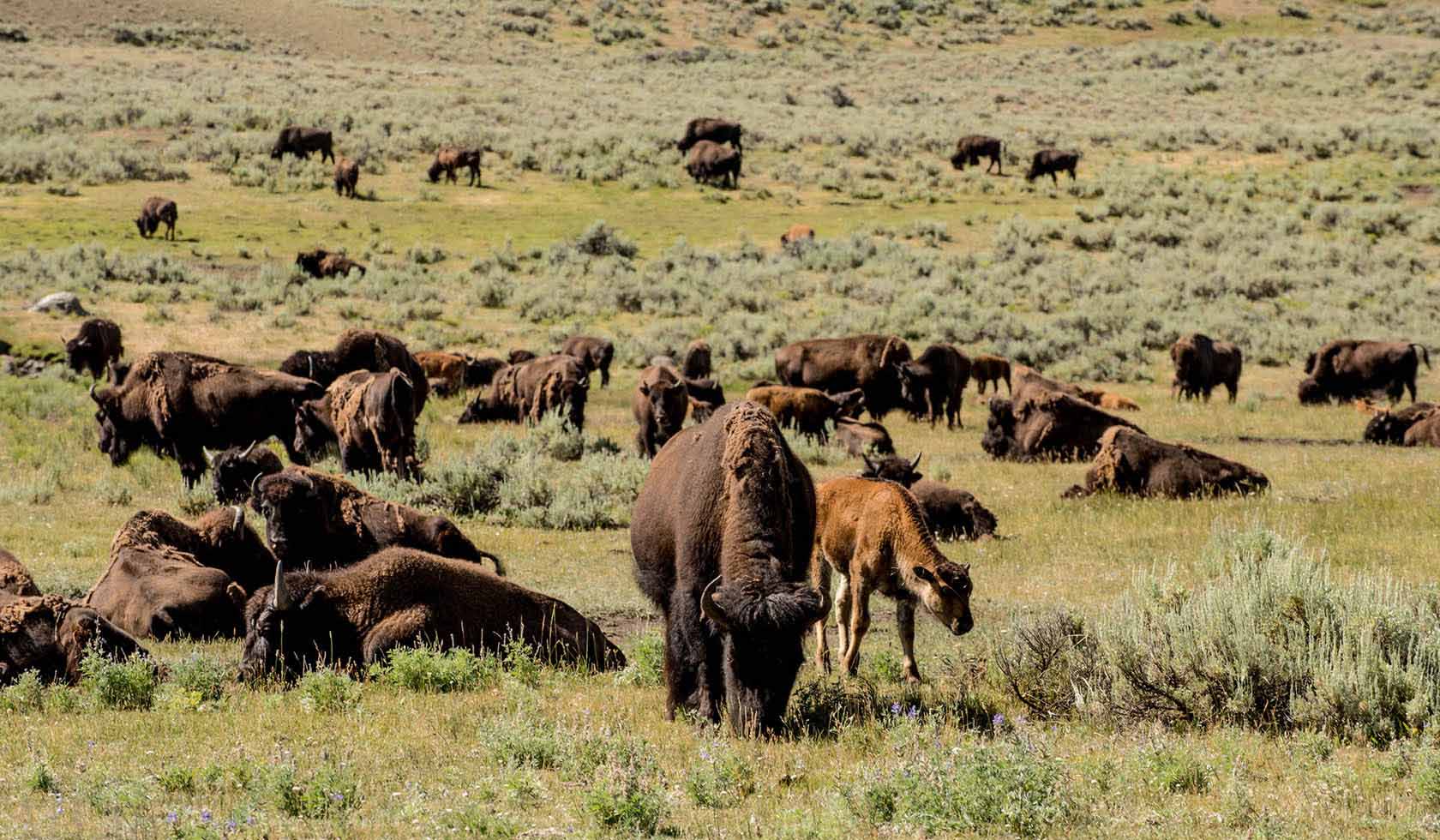
Many tourists expect to see bears, wolves, elk, and bison at any hour—but Yellowstone wildlife follows natural rhythms.
Peak Wildlife Hours
Sunrise – Best chance for wolves & bears
Sunset – Bison, elk, pronghorn activity increases
Midday – Least wildlife, most traffic
Avoid the Common Mistake
Don’t plan wildlife spots at noon. Instead:
Visit Lamar Valley or Hayden Valley at sunrise
Visit geyser basins midday
Return to wildlife areas around sunset
6. Not Carrying Enough Food & Water
Yellowstone has very few restaurants, and most close early. Lines can be long and food options limited.
Mistake
Relying entirely on park restaurants
Not packing snacks for long drives
Fix
Bring:
2–3 liters of water per person
Energy bars
Sandwiches
Fruit
Reusable water bottles
This prevents fatigue, dehydration, and unnecessary stops.
7. Staying Too Far From the Park
Accommodations outside Yellowstone vary greatly in convenience.
What Tourists Get Wrong
Booking a hotel 2 hours away to save money
Staying in Jackson for a Yellowstone-only trip
Not realizing West Yellowstone is peak-season expensive
Best Areas to Stay
West Yellowstone – Best for first timers
Gardiner (North Entrance) – Best wildlife access
Cooke City (Northeast Entrance) – Best for Lamar Valley
Canyon Village (Inside Park) – Best central location
Staying close saves 2–4 hours daily.
8. Visiting Only During Midday Crowds
Yellowstone mornings and evenings are magical—cooler, quieter, and full of wildlife.
How to Avoid Midday Madness
Enter the park before 7 AM
Visit major geyser basins early
Spend midday on scenic drives or picnics
Return to popular areas after 5 PM
This strategy avoids 70% of crowds.
9. Not Checking Geyser Predictions
The National Park Service provides eruption predictions for:
Old Faithful
Castle Geyser
Grand Geyser
Great Fountain Geyser
Riverside Geyser
These can help you plan your stops more efficiently.
10. Forgetting About Temperature Drops
Yellowstone weather swings fast.
Avoid This Mistake
Pack:
Light jacket
Rain shell
Hat
Layered clothing
Even summer mornings can drop to 40°F (4°C).
Final Tips for a Smooth Yellowstone Trip
Start early to avoid traffic
Use the West Entrance for first-time visits
Limit each day to 5–6 key stops
Prioritize sunrise/sunset wildlife
Be flexible—expect delays
Yellowstone rewards those who travel smart, slow, and prepared.
