
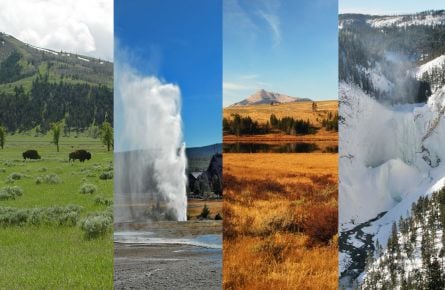


Yellowstone National Park is one of the most visited national parks in the U.S., attracting millions of travelers each year. Its geysers, wildlife, waterfalls, and dramatic landscapes change dramatically with the seasons—making your travel experience heavily dependent on when you go.
This Solved Guide breaks down everything you need to know: peak season, low season, weather by month, crowds, costs, road closures, snowfall, and the cheapest time to visit Yellowstone.
✔ Quick Answer: Best Time to Visit Yellowstone
Best Overall Time: Late May–June & September (pleasant weather, moderate crowds, fewer closures).
Best for Wildlife: April, early May, September, October.
Best for Lowest Crowds: November–March (winter season).
Best for Cheapest Trip: April, early May, October, and winter (except Christmas week).
Best Weather: July & August (warmest months but extremely crowded and expensive).
1. Yellowstone Weather & Seasons Explained
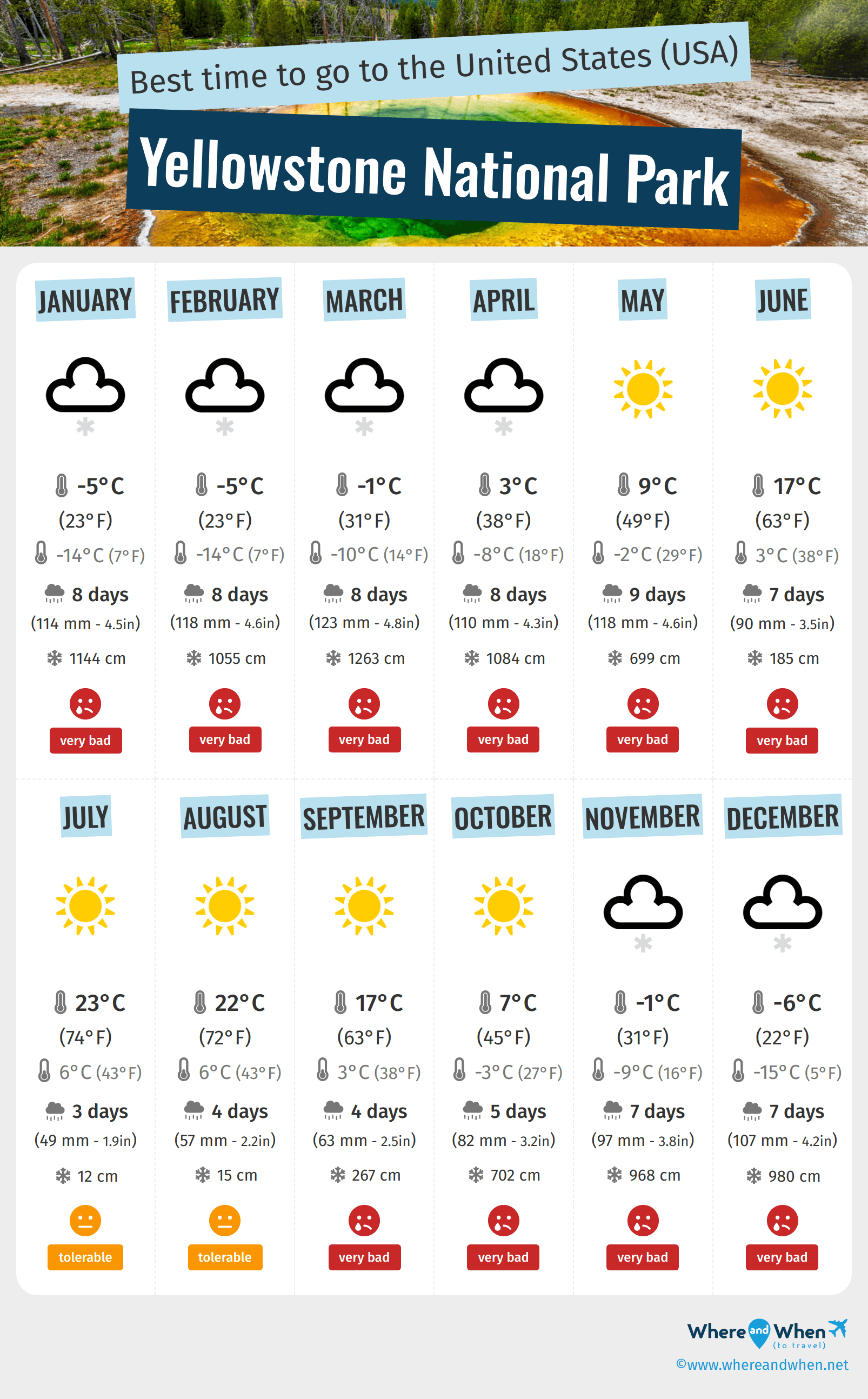


Yellowstone’s elevation (up to 8,000+ ft) means cooler temperatures year-round, unpredictable weather, and early winter.
Spring (April–May)
Weather: 30–60°F, chilly mornings
Pros: wildlife babies, waterfalls at full power
Cons: many roads are still closed until late April/May
Summer (June–August)
Weather: 70–85°F daytime, cool nights
Pros: all roads open, best hiking
Cons: massive crowds, highest hotel prices
Fall (September–October)
Weather: 30–65°F
Pros: fewer tourists, elk rut (mating season), great photography
Cons: snow can start in early October
Winter (November–March)
Weather: 0–25°F, heavy snow
Pros: magical landscapes, lowest crowds
Cons: Most roads closed, requires guided tours or snowcoach travel
2. Peak Seasons: When Yellowstone Is the Most Crowded
Peak season equals long entrance lines, packed boardwalks, and high prices.
🔺 Peak Season Months
July & August
Weekends in June
Holiday weeks: Memorial Day, July 4th, Labor Day
What to Expect During Peak Season
Parking lots fill by 9 AM
Hotel prices can be 2–3x higher
Wildlife traffic jams (“bear jams”)
Geyser boardwalks feel like theme-park lines
Tip: Enter the park before 7 AM or after 5 PM to avoid most congestion.
3. Least Crowded Months (and Why They Are Amazing)
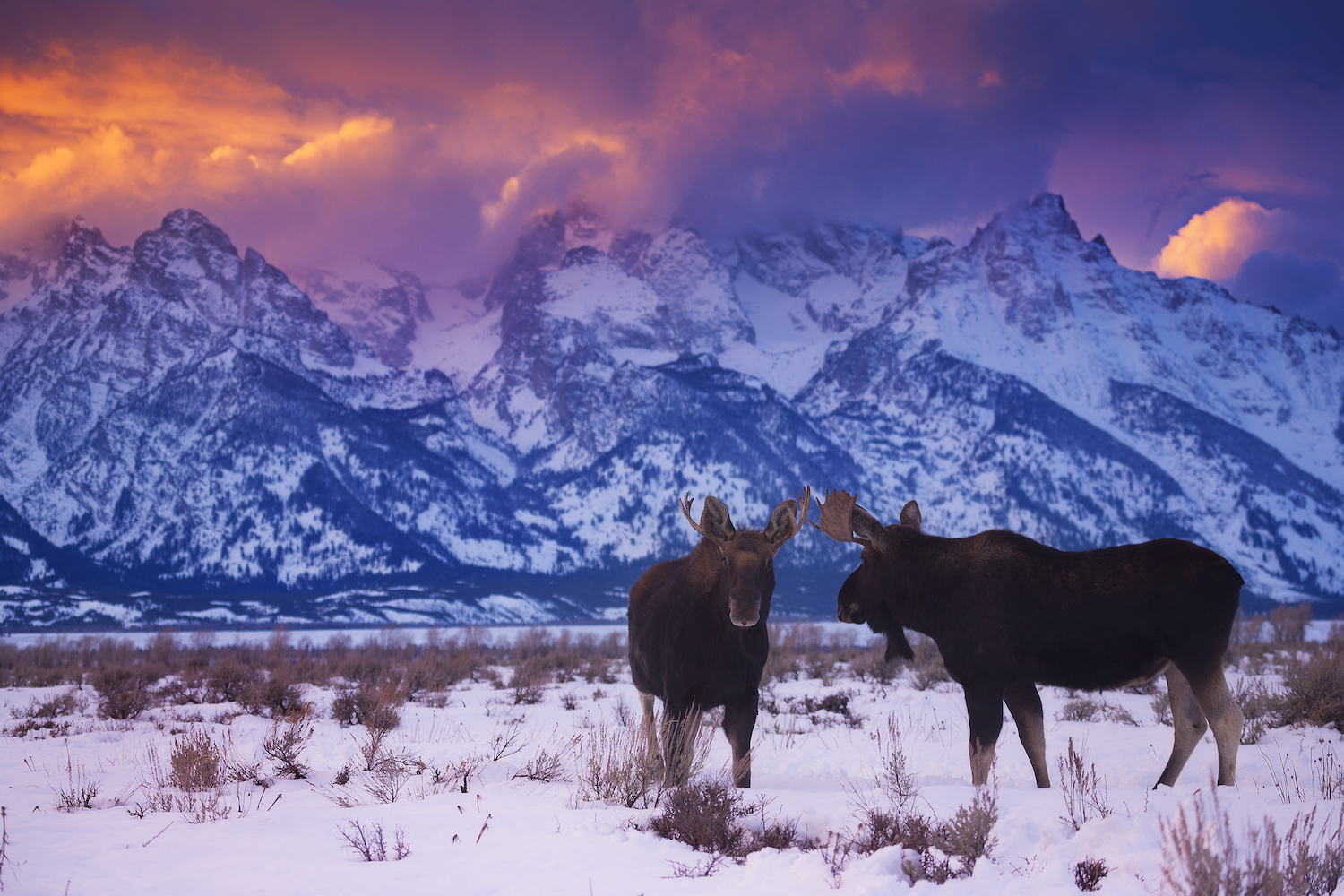
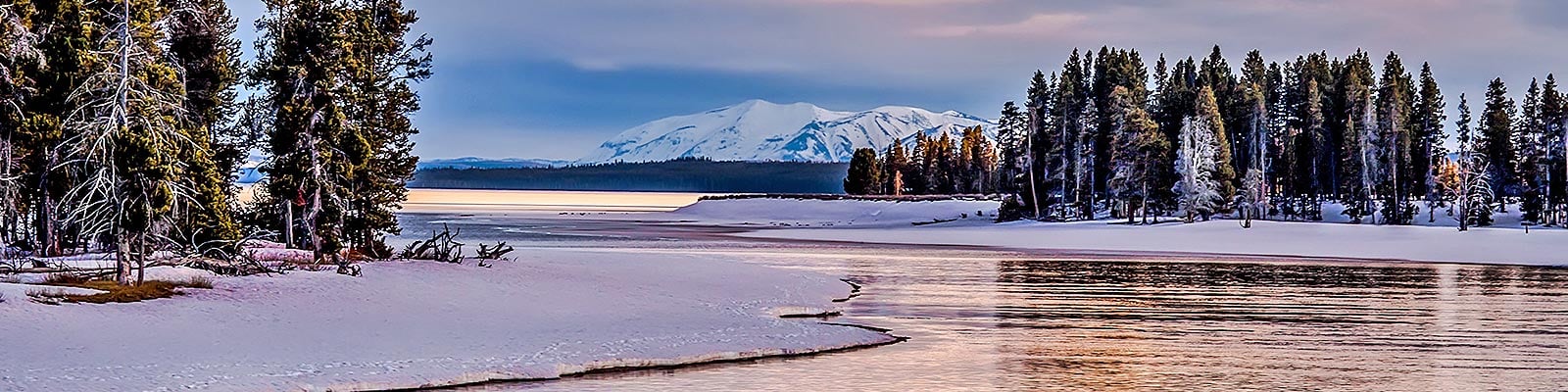
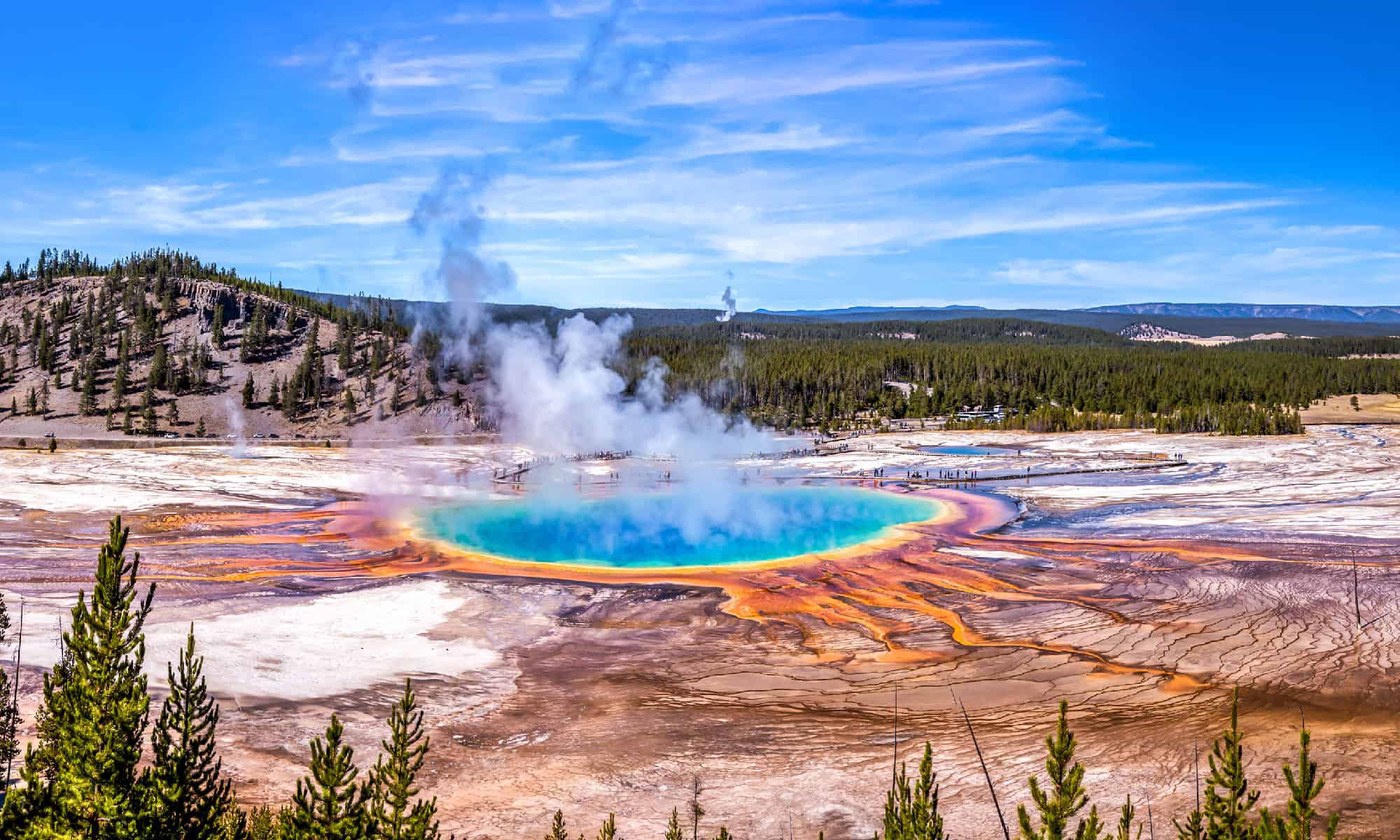
If you want peace, empty trails, and cheap stays, choose these times:
✔ Best Low-Crowd Months
April
Early May
Late September
October
November–March (winter)
Why These Months Are Ideal
Lodges outside the park offer discounts
You can enjoy geysers and wildlife with minimal people
Ranger programs and guided tours are more personal
Photographers love the golden light and peaceful scenes
4. Road Closures & Seasonal Limitations (Critical!)
Yellowstone has strict seasonal road rules that impact your trip more than weather.
✔ Main Roads Open Late April–Early November
Most roads fully open by late May. If visiting in early spring, expect partial access.
✔ Winter Closures
From early November to mid-April, most park roads are closed to cars.
Winter access available only by:
Snowcoach tours
Guided snowmobile tours
✔ North Entrance (Gardiner to Mammoth to Lamar Valley)
This route is open year-round, making it the only easy winter driving option.
If your trip relies on driving to Old Faithful, Grand Prismatic, or Canyon:
Avoid November–early April unless you plan on booking winter tours.
5. Snow & Winter Conditions
Winter in Yellowstone is spectacular but extreme.
What Winter Looks Like
Heavy snowfall (over 10 feet in many areas)
Frozen waterfalls
Bison covered in frost
Steam rising from geysers in the cold
Best Winter Activities
Snowcoach to Old Faithful
Cross-country skiing
Wildlife watching in Lamar Valley
Photography of surreal snowy landscapes
Winter is worth it—if you’re prepared for cold and limited access.
6. Cheapest Time to Visit Yellowstone
If your goal is maximum savings + great experience, these are your months.
💲 Lowest Prices
April
Early May
Late September
All of October
Winter (except Christmas week)
Why Prices Drop
Fewer visitors
Park lodges begin seasonal discounts
Nearby towns reduce room rates
Less competition for flights and rental cars
You can save 30–50% compared to July and August.
7. Month-by-Month Guide to Visiting Yellowstone
April
Pros: wildlife babies, low prices
Cons: many road closures, unpredictable weather
May
Pros: green landscapes, access improves
Cons: snow still possible
June
Pros: fully open park
Cons: rising crowds
July
Pros: best weather
Cons: highest crowds + cost
August
Pros: warmest month
Cons: crowded, smoky skies possible (wildfire season)
September
Pros: perfect month—great weather + fewer crowds
Cons: cold nights
October
Pros: cheapest fall month
Cons: snow can close roads
November–March
Pros: peaceful, magical snow
Cons: limited access; requires guided tours
8. Best Time Recommended Based on Traveler Type
✔ Families
June & July (good weather, activities)
Avoid: Late October–April (closures)
✔ Couples
September & October (romantic, scenic, fewer crowds)
✔ Budget Travelers
April, May, October, and winter
✔ Photographers
May, September, winter
✔ Wildlife Lovers
April, May, September, October
9. Final Verdict: The Best Time Overall
If you want the perfect balance of weather, access, cost, and crowds, the winner is:
⭐ Late May–June
and
⭐ September
These shoulder months provide:
Comfortable temperatures
All major roads open
Moderate crowds
Better prices
Excellent wildlife viewing
Conclusion
Yellowstone is a year-round wonder, but the experience varies dramatically depending on when you go. If you're aiming for the best experience with minimal crowds and fair prices, plan for late spring or early fall. For the cheapest trip, choose April, May, October, or winter. And if you want warm, clear weather and all services open—prepare for the crowds of July and August.
